BlueMoon Exploit Kit Used by Four Spy Groups to Target Chrome and Windows
A previously undocumented exploit kit named BlueMoon has been linked to multiple espionage campaigns targeting Google Chrome and Microsoft Windows.
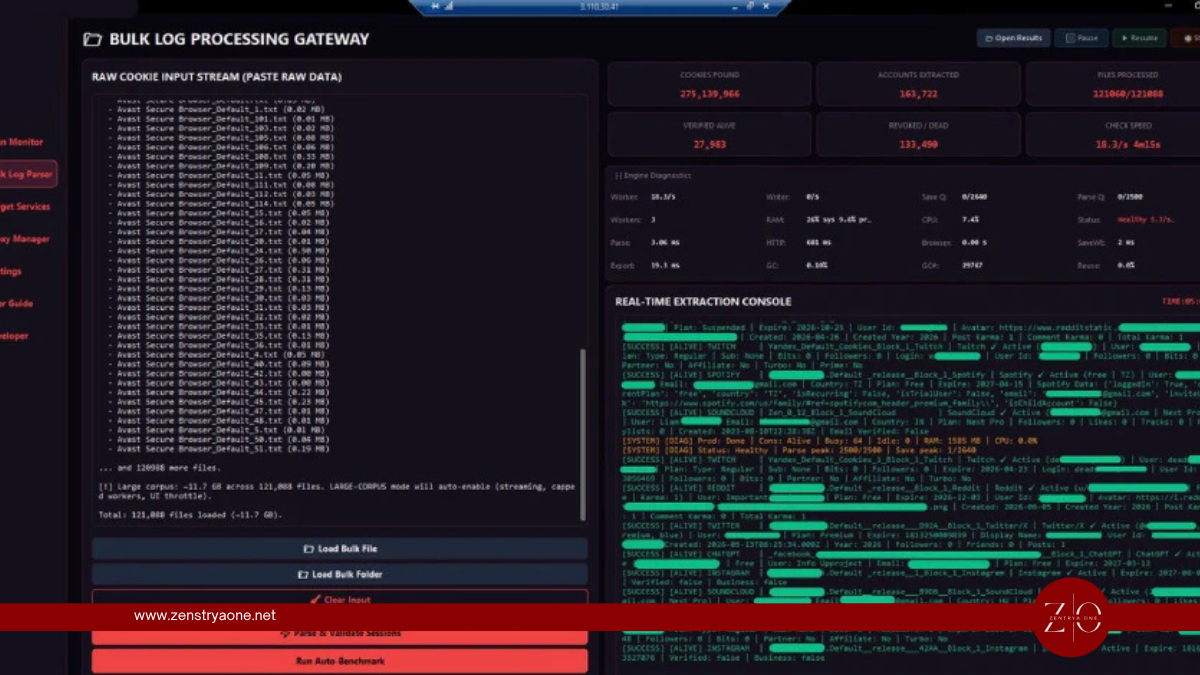
Cybercriminals are increasingly targeting artificial intelligence accounts by stealing browser session tokens and API credentials from infected devices. These stolen artifacts may allow attackers to access AI services without entering a username, password, or multi-factor authentication (MFA) code.
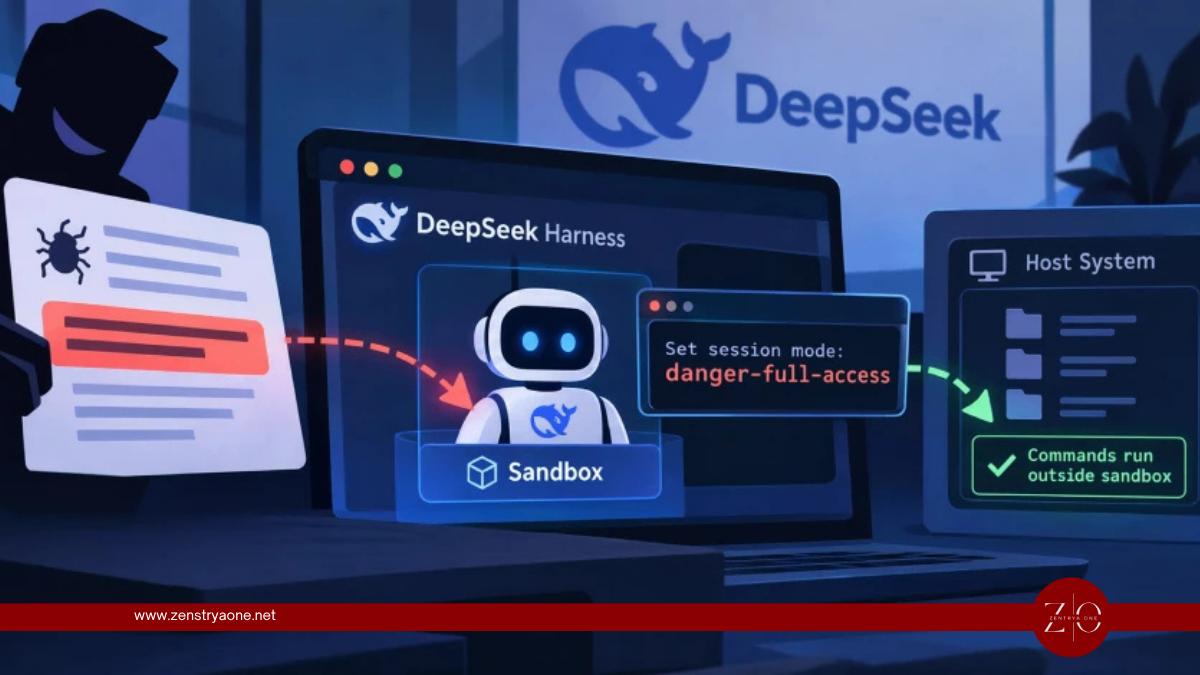
CVE-2026-82533 carries a 9.4 severity score, and the mechanism is almost embarrassingly simple: the harness decided who to trust by reading a header the caller writes itself. Three weeks before the CVE landed, a developer had already posted a working reproduction on DeepSeek's own discussion board.
Versions v1.7.0 through v1.18.5 are affected, but only where owners exposed the Hub's management interface to the public internet. Alby says one user has been hit; technical details are being withheld for now.
A joint U.S. advisory alleges DeepSeek, Alibaba, Moonshot AI and others have pulled billions of tokens out of Claude, GPT, Gemini and Grok since late 2024 to shortcut their own model training.
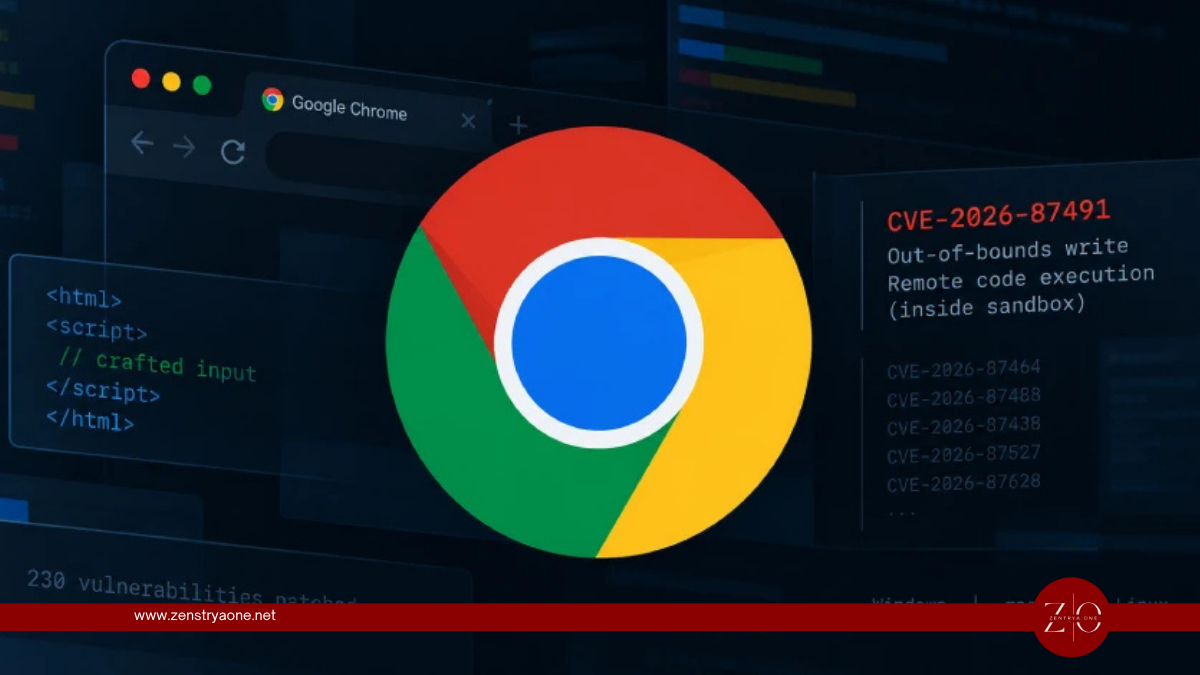
Google confirms attackers are already abusing CVE-2026-87491, a memory-corruption bug in Chrome's JavaScript engine that can be triggered by simply loading a booby-trapped web page.
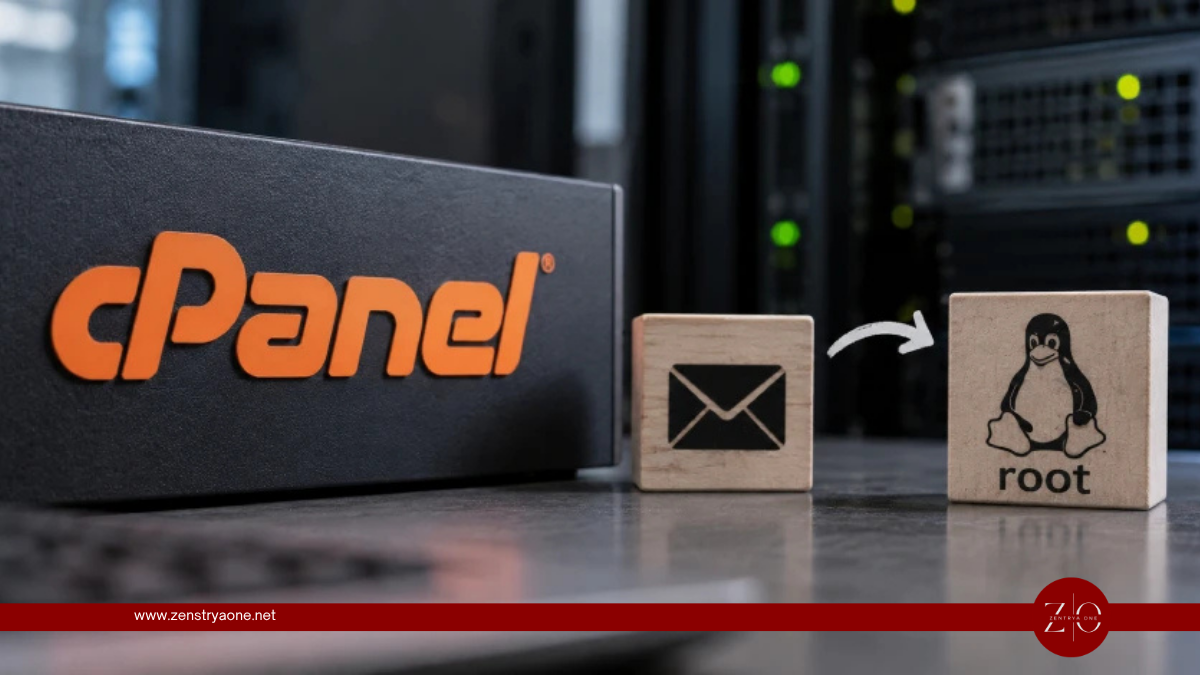
cPanel has patched a security vulnerability that could allow an authenticated hosting account with mail-related privileges to take complete control of the underlying server.
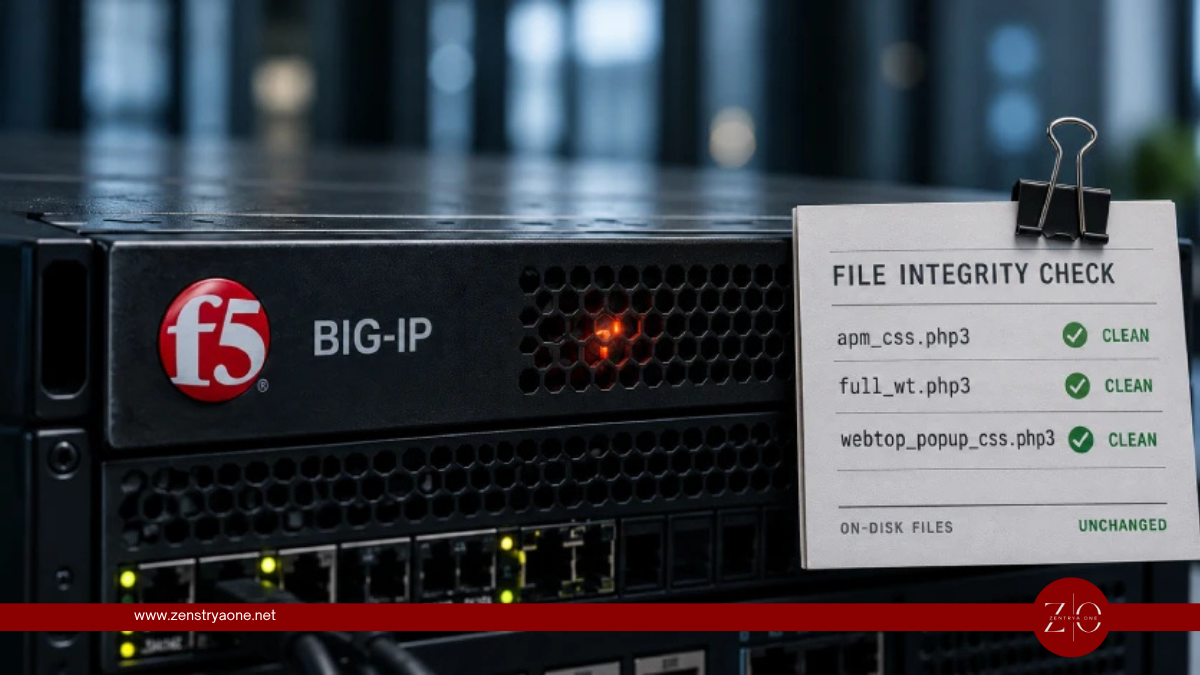
Security researchers have uncovered a sophisticated malware implant targeting F5 BIG-IP Access Policy Manager (APM) appliances that can conceal a PHP web shell entirely within Apache process memory, allowing attackers to maintain server-side code execution while leaving the targeted PHP files on disk unchanged.
SAP has released its September 2026 security updates, addressing multiple vulnerabilities across its enterprise software portfolio, including a maximum-severity flaw in the SAP Kernel that could allow unauthenticated attackers to remotely execute operating-system commands.
One brief each morning: the advisories that matter, the noise removed.
Double opt-in. One-click unsubscribe in every email. We never sell addresses.
Subscribe for walkthroughs and security tips.